The story
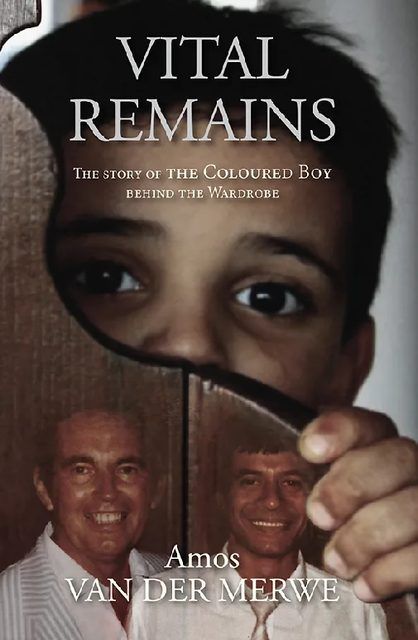
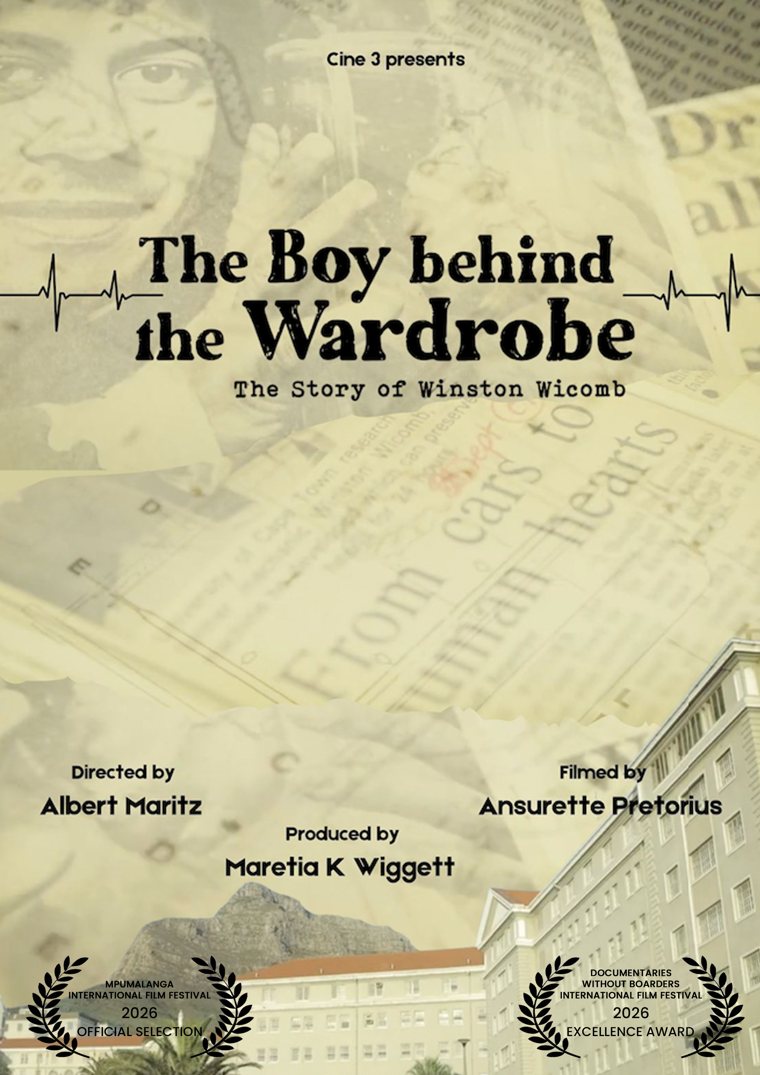
The untold story of a brown boy who transcended apartheid and made medical history.
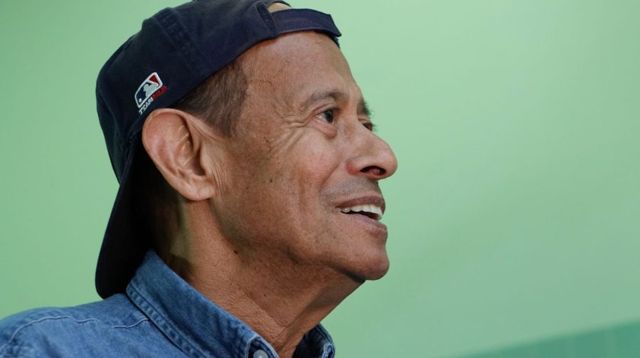
A brown boy is born into a Capetonian family that has managed to convince the South African apartheid authorities to classify them as white. But Winston's skin colour is too dark to pass scrutiny and he spends his childhood reading in a cubbyhole behind the family's wardrobe, constantly fearing exposure. Excluded from white schools, white privilege, and even his white family, his white status ironically earns him an army conscription where, through sheer guts, he rises to the rank of Corporal.
With a fierce drive to escape the constraints of apartheid and carve out a life for himself and his first love, Jeanne, Winston works as a backyard Volkswagen mechanic, takes on extra work harvesting eyes from fresh corpses, and gives driving lessons to pay his own way through the University of Cape Town (UCT). He finally graduates with a BSc in 1977.
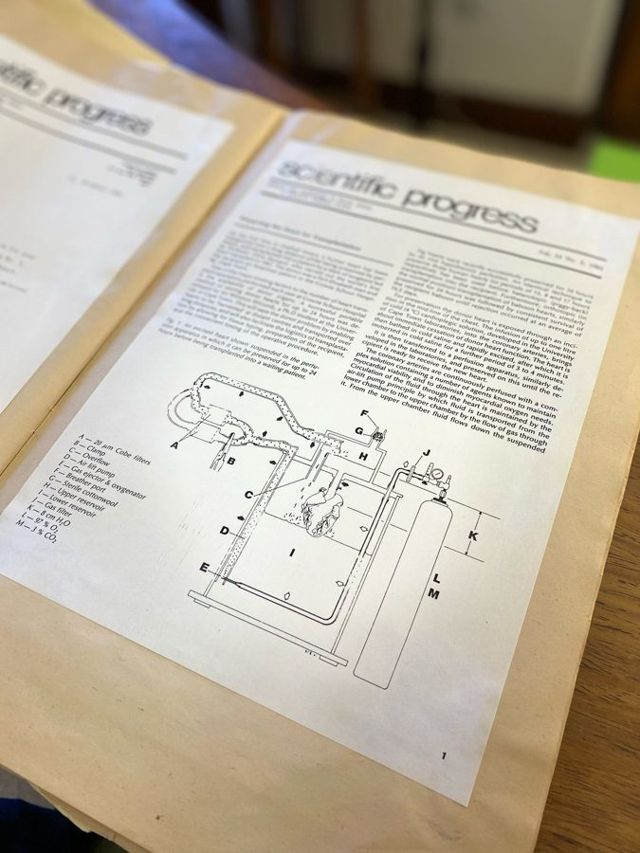
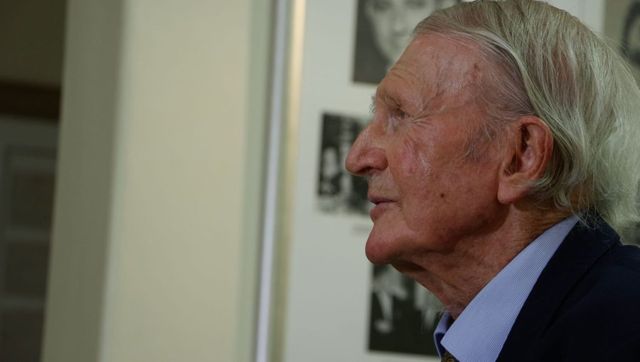
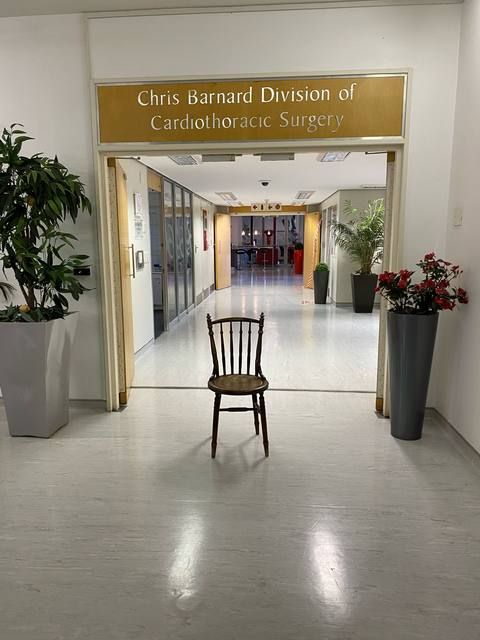
A chance meeting with the legendary Dr Christiaan Barnard leads the famous surgeon to appoint young and inexperienced Winston, quite irrationally, as the head of his research laboratory. Winston's first assignment? To construct an apparatus with which to transport living hearts.
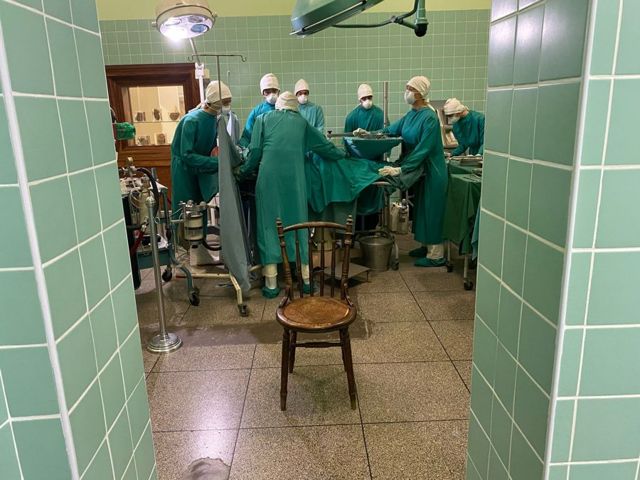
Drawing on every life experience thus far, Winston Wicomb produces a pioneering innovation. On one stormy night, on a rickety flight from Gqeberha to Cape Town, he manages to keep a heart alive for 16 hours, changing the future of organ transplantation forever!
At its heart, The Boy Behind the Wardrobe is a story about the triumph of the human spirit.
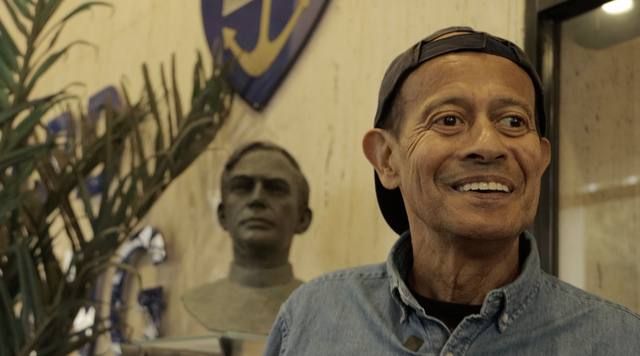
This is the as-of-yet uncelebrated story of South African pioneer and hero: Dr Winston Wicomb. Watch the trailer, share it, and help us change that; together.
- CHILDHOODThe cubbyhole behind the wardrobeWinston reads in a hiding place in Woodstock whenever certain visitors arrive.
- 1977BSc from the University of Cape TownHe graduates, and a chance meeting with Dr Christiaan Barnard follows.
- 1981A heart kept alive for 16 hoursOn a stormy night flight from Gqeberha to Cape Town, Winston's apparatus keeps a living heart viable, and the future of organ transplantation changes.
Watch the trailer